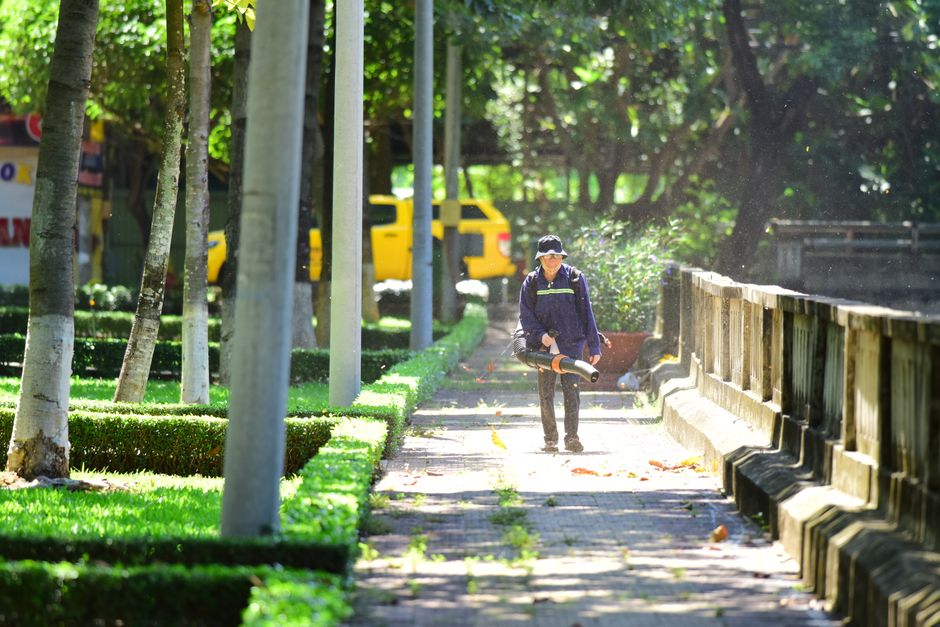
Emergency garden debris removal Pimlico same day gardeners: fast, calm help when your garden needs clearing now
When a garden suddenly becomes unmanageable, you usually notice it at the worst possible time. A storm rolls through overnight, branches land across the path, bags of cuttings pile up after a rushed tidy-up, or an overgrown corner starts looking less like a garden and more like a blocked route. That is exactly where Emergency garden debris removal Pimlico same day gardeners comes in. It is the practical, same-day help people need when safety, access, or appearance cannot wait until next week.
In Pimlico, where outdoor spaces are often compact, shared, or tucked behind townhouses and terraces, debris can turn into a real nuisance very quickly. A few wet leaves and snapped stems might not sound dramatic, but they can block drainage, trip people up, attract pests, and make a property look neglected in a flash. This guide explains how emergency debris removal works, when it makes sense, what to expect on the day, and how to choose the right support without the faff.
For readers comparing broader garden help as well, it can be useful to look at related services such as garden clearance, garden maintenance, and tree lopping and removal. Those services often overlap with urgent clear-ups, especially after high winds or a rushed prune gone a bit sideways.
Table of Contents
- Why Emergency garden debris removal Pimlico same day gardeners Matters
- How Emergency garden debris removal Pimlico same day gardeners Works
- Key Benefits and Practical Advantages
- Who This Is For and When It Makes Sense
- Step-by-Step Guidance
- Expert Tips for Better Results
- Common Mistakes to Avoid
- Tools, Resources and Recommendations
- Law, Compliance, Standards, or Best Practice
- Options, Methods, or Comparison Table
- Case Study or Real-World Example
- Practical Checklist
- Conclusion
- Frequently Asked Questions
Why Emergency garden debris removal Pimlico same day gardeners Matters
Debris removal becomes an emergency when it affects safety, access, or the basic use of the space. That can mean broken branches across a driveway, heavy piles of hedge trimmings in a shared passage, slippery leaves on paving, or waste bags that were left out after a previous job and now need clearing urgently. To be fair, most gardens do not need a dramatic rescue. But when they do, the delay is what causes the trouble.
In Pimlico, the issue is often space. A narrow side return, a small courtyard, or a communal rear access can become awkward fast. One pile of debris can stop bins being moved, make bins overflow, or create a bottleneck for residents and tradespeople. And if the weather is damp, which let's face it is not rare in London, wet plant matter can become surprisingly slippery.
There is also a visual side to it. If you are a landlord, managing agent, homeowner, or tenant preparing for visitors or an inspection, garden mess sends the wrong signal quickly. A fresh cut flower bed is one thing. A heap of snapped canes, leaves, and soil spread across the patio is another. Same-day gardeners help restore order before the problem grows legs.
Expert summary: emergency garden debris removal is less about "making the garden pretty" and more about restoring safe access, reducing risk, and preventing minor damage from turning into a bigger job.
How Emergency garden debris removal Pimlico same day gardeners Works
The process is usually straightforward, but good service depends on clear communication. In a same-day scenario, a gardener will want to know what kind of debris is involved, how much there is, whether any items are heavy or sharp, and how access works at the property. A quick description often speeds things up more than people expect. "A couple of bags" and "a van load of damp branches" are very different jobs, and yes, there is a difference in how they are handled.
Once the job is accepted, the team will typically arrive with the tools needed for loading, sweeping, cutting back loose material if necessary, and moving waste safely. The aim is to make the area usable again quickly, not to overcomplicate it. In practice, that may involve gathering scattered debris, bagging loose waste, clearing paths, moving branches, removing clippings, and giving the site a final tidy so you are not left with a half-finished mess.
If the debris is linked to larger garden work, the same visit may lead naturally into more structured services. For example, if overgrown hedges are shedding more waste than expected, hedge trimming may be the better longer-term fix. If a garden has become generally cluttered and overrun, a proper garden clearance can reset the space in a more complete way.
The best same-day jobs are usually handled in layers: remove the immediate hazard first, then assess whether there is a wider maintenance issue beneath it. That keeps the service practical, which is really what people want when time is tight.
Key Benefits and Practical Advantages
Same-day debris removal delivers more than a neat-looking garden. In the middle of a messy situation, the advantages are immediate and concrete.
- Safer access: walkways, steps, gates, and side paths become easier to use again.
- Lower risk of damage: prompt clearing reduces the chance of broken branches scratching surfaces or blocking drains.
- Less stress: you are not staring at a garden problem all day wondering who will sort it out.
- Faster recovery after bad weather: storms, wind, and heavy rain can leave a garden looking rough in a single night.
- Better presentation: useful for rentals, viewings, family events, or simply getting the space back to normal.
- Cleaner handling of waste: material is usually removed in one visit rather than sitting around in piles for days.
One benefit that is sometimes overlooked: urgent debris removal can make the next job easier and cheaper. If a garden is cleared promptly, the gardener can see the underlying condition more clearly. That helps them decide whether you need mowing, pruning, drainage attention, or a more planned tidy-up through lawn mowing or broader services overview support.
There is also a reassurance factor. When a path is blocked by branches or wet plant waste, people tend to keep avoiding it. A quick clear-up gives the space back to everyone in the property. Small thing, maybe. But it matters.
Who This Is For and When It Makes Sense
Emergency garden debris removal is not just for dramatic storm damage. It suits a wide mix of everyday situations, and some of them are more ordinary than you might think.
- Homeowners who have had a sudden blowdown, broken fence-side planting, or a weekend pruning disaster.
- Landlords and letting agents needing a quick turnaround before tenants move in or out.
- Property managers dealing with shared gardens, communal routes, or access complaints.
- Older residents who need paths and steps cleared promptly for safety.
- Busy households with no time, tools, or appetite for dragging wet branches around by hand.
- Businesses with outdoor frontage where debris affects first impressions or access.
It makes sense when the mess is too big, too awkward, or too urgent to leave sitting. If the debris is light and dry, you may be able to manage it yourself. But once it is wet, thorny, bulky, or spread across a tight area, the job changes. And if you have ever tried stuffing soggy branches into a bin bag, you know it is one of those tasks that sounds easier before you start.
If the issue stems from larger garden decline rather than one-off waste, a routine plan may be better after the emergency is handled. Services like garden maintenance can help prevent the same problem returning every few weeks.
Step-by-Step Guidance
Here is a sensible way to handle an urgent debris issue without making it more complicated than it needs to be.
- Check the area for danger. Look for unstable branches, broken glass, exposed nails, slippery paving, or anything leaning in a risky way.
- Separate the urgent from the non-urgent. Keep access routes clear first. Cosmetic tidying can wait until the hazard is gone.
- Take a quick look at access. Can a gardener reach the back garden easily? Is there side access? Are there narrow gates or stairs?
- Describe the debris clearly. Say whether it is leaves, hedge cuttings, branches, soil, mixed green waste, or heavier timber.
- Ask about same-day availability. If the issue is urgent, make that plain. Good services can often prioritise based on safety and access.
- Prepare the space a little. Move vehicles if needed, unlock gates, and make sure pets and children are kept out of the work area.
- Let the gardeners clear and sort. They will usually work more efficiently if the area is left for them, rather than half-tidied by several different hands.
- Walk through the result. Check that paths, drain covers, doors, and shared access points are usable again.
- Decide whether follow-up work is needed. If the debris came from overgrowth, ask whether pruning, mowing, or a fuller clearance would stop it recurring.
A practical point: if the debris is mixed with tree waste, root-level breakage, or dangerous hanging branches, the job may shift beyond simple tidy-up. That is where specialist support like tree lopping and removal becomes relevant. Better to handle that properly than have a quick fix that turns into a headache later.
Expert Tips for Better Results
After plenty of real-world clear-ups, a few habits consistently make the job smoother.
First, send photos if you can. A couple of pictures from different angles can save a lot of back-and-forth. They help a gardener understand whether the issue is a simple sweep-up or a heavier clearance. That means faster arrival, the right tools, and fewer surprises.
Second, be specific about the mess. "Garden debris" is broad. "Wet hedge cuttings and a few broken branches" is far more useful. The more precise the description, the better the response. Plain English is enough.
Third, focus on the route out, not just the pile itself. A job is never just the pile. There is usually a trail of leaves across paving, a blocked side return, or a doorway cluttered with bits of stem and bark. Clearing the route is often the bit that makes the biggest difference.
Fourth, think ahead for disposal. If a lot of waste is involved, ask how it will be handled and whether the service includes removal. Reputable gardeners will be clear about this. You do not want debris sat in a corner because everyone assumed someone else would deal with it. It happens. More often than people admit.
Finally, use the emergency call-out as a reality check. If you are repeatedly needing urgent debris removal, the garden probably needs a more regular rhythm. That might mean seasonal trimming, scheduled mowing, or a broader design rethink through landscape gardening or landscaping.
Common Mistakes to Avoid
Urgent garden jobs are where small mistakes become annoying fast. A few to watch out for:
- Leaving slippery waste on paving: wet leaves and chopped stems can be more hazardous than they look.
- Underestimating volume: a few branches on the ground often becomes a van-load once everything is gathered properly.
- Mixing garden waste with general rubbish: this can complicate disposal and slow the work down.
- Trying to drag heavy waste yourself: it is easy to strain your back or nick a fence panel.
- Ignoring the cause: clearing the debris without addressing the source usually means doing the same thing again next week.
- Forgetting access constraints: in Pimlico, narrow entries, steps, and shared routes matter a lot.
Another common one, and it sounds harmless, is waiting until tomorrow because the mess does not look "that bad". Then rain arrives, the debris turns slick, and the job becomes twice as awkward. Bit of a classic.
If the debris came from a hedge or border that has been left too long, it may be worth combining the clear-up with a more routine maintenance visit. That is often the calmer, cheaper path in the long run.
Tools, Resources and Recommendations
You do not need a truck full of kit for every emergency, but the right tools make a fast clear-up safer and cleaner.
- Heavy-duty sacks or waste bags for leaves, light cuttings, and loose material.
- Rakes and brooms for gathering debris without spreading it across paving.
- Secateurs and loppers for cutting awkward branches down to manageable lengths.
- Tarpaulins or sheets to move piles without dragging mess through the property.
- Gloves and sturdy footwear for safety, especially around thorns or broken stems.
- Wheelbarrows or debris tubs for heavy loads and repeated trips.
For most households or busy properties, though, the better recommendation is simple: use the tools only if the job is genuinely small and safe. Otherwise, let a trained gardener handle it. The value is not just in the tools. It is in knowing how to use them quickly, safely, and without turning a tidy-up into a minor expedition.
If you are looking at payment, trust, and service details before booking, it can be reassuring to review practical pages such as pricing and quotes, payment and security, and the company's insurance and safety information. Those are the kinds of details people often forget to check until the last minute.
Law, Compliance, Standards, or Best Practice
Emergency garden debris removal is mostly a practical service, but there are still important best-practice considerations. In the UK, garden waste and green material should be handled responsibly, and any contractor working on-site should take reasonable steps to avoid injury, property damage, and unsafe disposal. You do not need a legal lecture to see the common sense here, thankfully.
Good practice usually includes:
- clear communication about what will be removed and what will remain
- safe handling of sharp, heavy, or unstable debris
- care around shared access points and neighbours' property
- responsible disposal or recycling where appropriate
- basic site tidiness after the work is finished
If waste is being moved off-site, it should be managed in line with normal UK expectations for garden and green waste. If you are not sure what falls into green waste versus mixed waste, ask before the job begins. A trustworthy gardener will explain it in plain language rather than hiding behind jargon.
For the service provider, health and safety matters too. If work involves ladders, unstable branches, awkward lifting, or slippery surfaces, the risk level rises quickly. That is why it helps to work with a company that treats site safety seriously and can explain its process clearly. You can usually find this kind of reassurance in pages like health and safety policy and recycling and sustainability.
If the garden is part of a managed building, be sure to check any local site rules, access arrangements, or landlord requirements too. Nothing dramatic. Just the usual sensible checks before work starts.
Options, Methods, or Comparison Table
Not every debris problem needs the same response. Here is a simple comparison of the most common approaches.
| Method | Best for | Advantages | Limitations |
|---|---|---|---|
| DIY clear-up | Small, light, low-risk mess | Cheap, immediate, flexible | Time-consuming, physically demanding, not ideal for heavy or wet waste |
| Same-day gardener | Urgent access issues, storm debris, mixed cuttings | Fast, safer, cleaner finish, less stress | Requires availability and clear job description |
| Full garden clearance | Neglected, overgrown, or heavily cluttered gardens | More thorough reset, better long-term outcome | Usually more involved than a simple same-day visit |
| Follow-up maintenance plan | Recurring overgrowth or seasonal drop | Prevents repeat emergencies, easier upkeep | Not a quick fix for today's issue |
The right answer depends on what is happening right now. If a branch is blocking a path, you need the immediate route cleared. If the whole garden has tipped over into neglect, a more structured service is smarter. If you are somewhere in between, a same-day visit can often bridge the gap neatly.
Case Study or Real-World Example
Picture a typical Pimlico courtyard after a windy night. A few medium branches have dropped from an overhanging tree, hedge cuttings from a previous tidy-up are still in a heap, and the back path is half-covered in damp leaves. Nothing cinematic. No fallen trees across the roof. Just enough to make the space awkward, wet, and a bit unsafe.
The homeowner's main concern is simple: can people get out safely, and can the mess be removed before guests arrive that evening? A same-day gardener arrives, checks the access route, collects the loose debris, cuts down a couple of awkward branch ends, sweeps the paving, and clears the waste in one go. The garden still needs more work later, but the urgent problem is gone. You can hear the difference straight away too. No crunching underfoot, no scraping branches, no wind-blown clutter rustling in the corner.
After that, the homeowner books a follow-up maintenance visit because the original issue had been building for a while. That is the real win. The emergency job solved the immediate mess, and the second visit helps stop it happening again. Not glamorous, but practical. And frankly, practical is what matters most in these situations.
Practical Checklist
Before the gardeners arrive, run through this quick checklist.
- Clear the main access route if it is safe to do so.
- Keep children, pets, and visitors away from the debris area.
- Take a few photos for reference if you need them.
- Note any particularly heavy, sharp, or unstable items.
- Identify blocked gates, paths, bins, or drains.
- Tell the gardener about narrow access, stairs, or shared entrances.
- Confirm whether the debris is mainly green waste or mixed material.
- Ask whether any follow-up pruning or maintenance is recommended.
- Check that the area is left safe and usable after the job.
- Keep the quote, notes, or service details for your records.
If you are trying to reduce the chance of another urgent clean-up soon after, it is worth looking at a regular service relationship rather than waiting for the next mess. That may include simple mowing, hedge work, or periodic tidy-ups. Small and steady often beats big and frantic.
Get a free quote today and see how much you can save.
Conclusion
Emergency debris removal is about getting control back quickly. In Pimlico, where gardens can be compact and access can be tight, same-day help is especially useful when safety, presentation, or day-to-day access is at stake. The right service clears the immediate mess, handles waste responsibly, and gives you a sensible path forward if the underlying garden needs more attention.
If your space has been hit by wind, overflow, overgrowth, or a badly timed tidy-up, do not let it sit there getting worse. A quick response is often the difference between a simple clear-out and a much bigger job. And once the garden is back to normal, you can breathe again. That alone is worth a lot on a busy London day.
For a reliable next step, take a moment to review about us and then get in touch through contact us if you need prompt help. It is always easier when someone calm picks up the phone and says, yes, we can deal with this today.
Frequently Asked Questions
What counts as emergency garden debris removal?
It usually means urgent clearing of branches, leaves, hedge cuttings, soil, or other garden waste that is blocking access, creating a hazard, or making the property hard to use. The "emergency" part is about timing and safety rather than drama.
Can same-day gardeners remove storm debris in Pimlico?
Yes, if they have availability and the job is within what they can safely handle. Storm debris is one of the most common reasons people request same-day help, especially after windy or wet weather.
How fast can a gardener usually arrive?
That depends on workload, location, and the size of the job. Some clear-ups can be handled very quickly, while others need a short assessment first. The clearer your description, the easier it is to estimate timing.
Do I need to sort the debris before the gardener comes?
No, not usually. It helps to keep access clear and mention any dangerous items, but you do not need to tidy everything yourself. In fact, trying to pre-sort heavy or awkward waste can make things slower.
What kind of waste is usually removed?
Common items include leaves, branches, hedge trimmings, grass cuttings, pruning waste, and mixed green debris. If there is heavier timber or unusual waste, it is best to mention that in advance.
Is emergency debris removal different from garden clearance?
Yes. Emergency removal is about immediate safety and access. Garden clearance is usually broader and more complete, often used when a space has become overgrown, cluttered, or neglected over time.
Will the gardeners take the waste away?
Often yes, but you should always confirm this before the job starts. Some services include removal and disposal as part of the visit, while others may separate labour from waste handling.
What if the debris includes broken branches from a tree?
That may need more specialist handling, especially if there are hanging limbs or unstable sections. In those cases, tree-focused support can be more appropriate than a simple tidy-up.
Are there any safety issues I should think about first?
Yes. Look for slippery paving, sharp broken stems, unstable branches, and blocked access routes. If anything looks unsafe, keep people away and let the gardeners handle it properly.
How do I know whether I need one-off help or regular maintenance?
If the mess came from a one-time incident, a same-day clear-up may be enough. If the garden keeps getting overgrown or cluttered, a regular maintenance plan is usually the more sensible choice.
Is same-day garden debris removal suitable for rental properties?
Very much so. It is useful when a tenancy is ending, before new tenants move in, or when a landlord or agent needs the outdoor space presentable fast. Speed matters in those moments.
What should I ask before booking?
Ask what is included, whether waste removal is part of the service, how access should be arranged, and whether the team can handle the type of debris you have. A few clear questions up front can save a lot of hassle later.