Churchill Gardens gardeners average cost and options
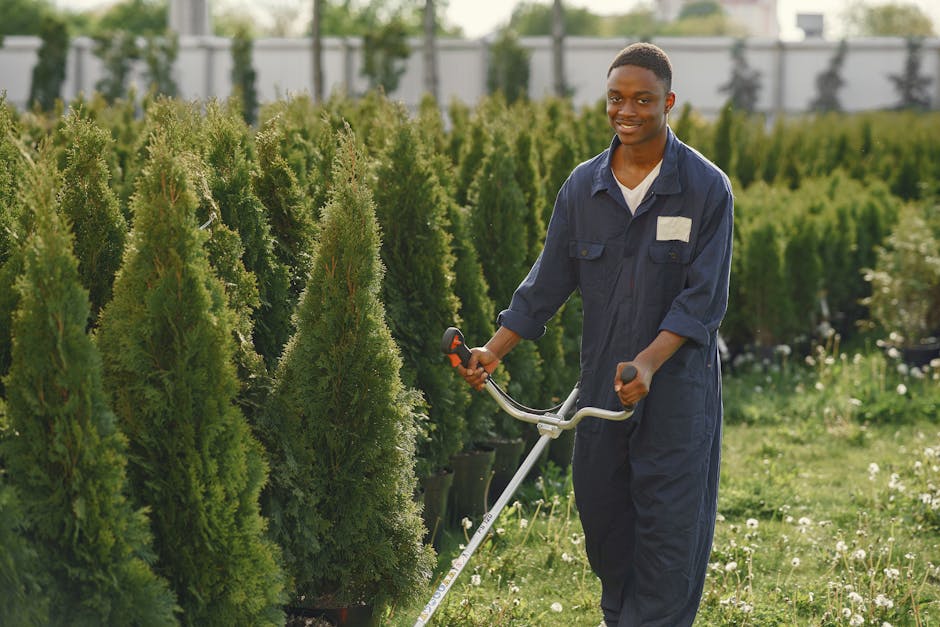
If you are trying to work out Churchill Gardens gardeners average cost and options, you are probably juggling a few things at once: what the garden actually needs, how often it needs doing, and whether you want a one-off tidy-up or regular help. That's normal. Gardens around Churchill Gardens can vary a lot, from compact courtyard-style spaces to larger shared or family gardens, and the cost can shift just as quickly depending on access, scope, and how much green waste has built up.
This guide breaks the topic down in plain English. You will get a practical sense of what gardeners usually quote for, which service options tend to suit different jobs, where prices commonly move up or down, and how to avoid paying for more than you really need. We will also cover sensible next steps if you want a reliable local service without the usual faff.
- Why it matters
- How it works
- Key benefits
- Who needs this
- Step-by-step guidance
- Expert tips
- Common mistakes
- Tools, resources and recommendations
- Law, compliance and best practice
- Options and comparison
- Real-world example
- Practical checklist
- Conclusion
- Frequently asked questions
Why Churchill Gardens gardeners average cost and options Matters
Getting a garden priced properly is about more than finding the cheapest number on a screen. In Churchill Gardens, the right gardener can save you time, keep the outside of your home looking cared for, and stop small jobs turning into bigger ones. A quick seasonal tidy can be enough in some cases. In others, you may need recurring garden maintenance, hedge trimming, or even a full clear-up after weeks or months of neglect.
The phrase average cost matters because it gives you a baseline. Not a promise, not a fixed tariff, just a useful starting point. Without that, it is easy to compare apples and pears. One gardener may quote for mowing only, while another includes edging, weeding, and green waste removal. Same visit, very different invoice. Let's face it, that is where people get caught out.
The options matter just as much. A flat-rate visit may suit a small garden that needs little more than a tidy. Hourly pricing can work well for mixed jobs where the scope is hard to predict. Scheduled maintenance makes sense if the garden needs ongoing attention. Once you understand the structure, you can choose with far more confidence.
Practical takeaway: the best value is not always the lowest price. It is the quote that clearly matches the work, includes the right tasks, and avoids surprise extras later on.
How Churchill Gardens gardeners average cost and options Works
Most local gardening quotes are built from a few simple ingredients: time, labour, access, waste, and specialist equipment if needed. A gardener may look at the size of the space, how overgrown it is, whether there are awkward corners, and whether waste can be taken away on the day. If the garden is tidy and accessible, the work can be fast. If it is full of brambles, heavy cuttings, or blocked access, the same job becomes slower and more expensive.
In practical terms, there are usually three pricing styles:
- Hourly rates for flexible or unknown jobs.
- Fixed quotes for clearly defined tasks.
- Regular maintenance plans for ongoing visits.
Hourly pricing is common when a gardener needs to see the space before estimating the full effort. Fixed quotes are often better for things like lawn mowing, hedge trimming, or a garden clearance where the scope can be described properly. Ongoing maintenance often suits busy households, landlords, and residents who want the garden kept in decent shape without thinking about it every month.
In Churchill Gardens, access can make a difference too. If tools and waste need to be carried through narrow entrances, communal areas, or upper-floor access points, the job may take longer. That does not mean the quote is unfair. It simply means the working conditions are a bit more involved. A good gardener will factor that in honestly rather than pretending it does not matter.
If you want to explore a broader menu of local services, the services overview is a useful place to start, and if you are comparing different job types, the pricing and quotes page can help you understand how requests are usually assessed.
Key Benefits and Practical Advantages
There is a very ordinary kind of relief that comes from having a garden under control. The grass stops looking shaggy, the borders breathe again, and the whole place feels less heavy. That matters more than people admit. You notice it in the morning light through the window, or when you step outside with a cup of tea and do not immediately think, "Oh, I really must sort that out."
Here are the main benefits of choosing the right service option rather than just booking the first gardener you find:
- Better budgeting: you can plan around expected costs instead of reacting to surprise charges.
- More relevant work: you pay for what the garden actually needs, not a generic package.
- Healthier plants and lawns: regular attention often stops problems building up.
- Cleaner presentation: useful for homes, rentals, and shared spaces.
- Less physical effort: handy if you do not want to spend your weekend hauling cuttings around.
There is also a quieter benefit: consistency. A well-maintained garden becomes easier to manage. Once the basics are back in shape, future visits tend to be simpler and often cheaper than a dramatic one-off rescue job. Truth be told, gardens rarely get cheaper the longer you ignore them.
Who This Is For and When It Makes Sense
This topic is useful for quite a wide range of people. If you live in Churchill Gardens and have a small outdoor space, a balcony-style planting area, a shared courtyard, or a modest back garden, you may mainly need light maintenance and occasional tidy-ups. If you are a landlord or property manager, you may need repeat visits to keep the outside presentable between tenancies. If you have let things slide for a while, you may need clearance first, then maintenance after that.
It also makes sense if you are deciding between doing the work yourself and paying a gardener. Some jobs are perfectly manageable with a mower and an hour or two. Others are not. Heavy hedge cutting, messy clearances, stubborn weeds, or tree work can easily turn into a bigger job than expected. And, honestly, the weather rarely helps when you finally decide to do it on a damp Saturday afternoon.
Typical situations include:
- Seasonal spring or autumn tidy-ups
- Weekly or fortnightly lawn care
- Overgrown gardens needing a reset
- Front garden presentation for a home sale or rental
- Communal or shared outdoor areas that need reliable upkeep
If your job is more than mowing and sweeping, it may be worth looking at related services such as garden maintenance, lawn mowing, hedge trimming, or garden clearance depending on the state of the space.
Step-by-Step Guidance
If you want a sensible estimate for Churchill Gardens, the easiest route is to break the job down before you ask for a quote. That way, you are not relying on guesswork from either side.
- Walk through the garden slowly. Note what actually needs doing: mowing, pruning, weeding, leaf clearing, waste removal, planting, or a full tidy-up.
- Decide what is urgent. Some jobs are aesthetic. Others are practical, like clearing slippery leaves or cutting back growth blocking a path.
- Measure the rough scale. You do not need a surveyor's precision. Just think small, medium, or substantial. That alone helps a lot.
- Check access. Can tools and waste be moved easily? Are there steps, gates, communal areas, or parking constraints?
- Choose your service model. One-off, hourly, fixed price, or regular maintenance. Pick the one that best matches how predictable the job is.
- Ask what is included. Does the quote cover waste disposal, edging, leaf clearance, or just labour?
- Compare like for like. A cheaper quote may exclude important bits. A higher one may actually offer better value if it is more complete.
A simple example: if the lawn is patchy, the beds need weeding, and the hedge is spilling over the fence, that is likely more than a quick mow. If you ask for a general "garden tidy," the quote may be broad. If you say exactly what needs attention, the answer becomes far more useful. Not glamorous, but effective.
Expert Tips for Better Results
The best results usually come from being clear, not fussy. A good gardener can work wonders with a short, specific brief. Here are a few tips that genuinely help:
- Group jobs together. Mowing, trimming, and weeding in one visit is usually better value than three separate call-outs.
- Keep a simple photo record. A couple of pictures before the visit can make quoting easier, especially if the garden is a bit wild.
- Ask about frequency. A garden that is cut every two weeks usually costs less to keep under control than one left for months.
- Be honest about the mess. People often understate the work. The garden is worse than you think. That is fine. Just say so.
- Check waste handling. Green waste removal can materially change the overall price, and you want to know that upfront.
One more thing: if you are interested in longer-term improvements rather than just a tidy-up, ask whether the work can be phased. Sometimes a gardener can do the immediate rescue first, then schedule follow-up visits to improve the shape, planting, or layout over time. That is often kinder to the budget.
If the job starts to move beyond basic upkeep, you may also want to review landscape gardening or broader landscaping options. Small changes can make maintenance easier in the long run. Less drama, more control.
Common Mistakes to Avoid
A lot of people make the same few mistakes when comparing local gardening options. None of them are disastrous on their own, but together they can lead to disappointing results or a bill that feels oddly inflated.
- Only asking for a "rough idea" without describing the work. A vague request leads to a vague price.
- Comparing a maintenance quote to a clearance quote. They are not the same service at all.
- Forgetting waste costs. Removing green waste can be a meaningful part of the job.
- Choosing the cheapest option without checking what is included. Cheap is fine. Incomplete is annoying.
- Ignoring access issues. If tools have to be carried through tight areas, that affects time and effort.
- Waiting until the garden is severely overgrown. A small weekly or fortnightly cost often beats a larger rescue visit later.
There is also a quiet psychological mistake: assuming that if the garden looks manageable from indoors, it is cheap to sort out. Sometimes yes. Sometimes no. The difference tends to show up once someone actually starts lifting, cutting, bagging, and sweeping. Suddenly the job has opinions.
Tools, Resources and Recommendations
You do not need to become a gardening expert to make a better decision, but a few simple tools help a lot. A phone camera, a notepad, and a rough idea of what you want done can make quotes much clearer. If you are trying to compare options, write down the same details for each provider so you are comparing properly.
Recommended things to prepare before asking for pricing:
- A brief description of the space
- Photos from a few angles
- A list of tasks in priority order
- Any access notes, like stairs, gates, or limited parking
- Whether you want a one-off visit or ongoing help
If you want to understand what a wider service visit can cover, the services overview is useful, while the pricing and quotes page is a practical reference for how estimates are commonly handled. For businesses and households that care about responsible disposal, the recycling and sustainability information is worth a look too.
And if you want to know more about the people behind the service before booking anything, the about us page can help build that sense of trust. Small detail, but it matters.
Law, Compliance, Standards, or Best Practice
For most routine gardening jobs, the main concern is not legal complexity; it is safe, sensible working practice. That said, there are still important standards to keep in mind. Gardeners should work in a way that respects property boundaries, avoids damage, and handles waste responsibly. If a task involves trees, large branches, height access, or awkward conditions, extra care is obviously needed.
In the UK, reputable gardeners and landscaping teams typically follow sensible health and safety procedures, use proper insurance, and assess site risks before starting work. That includes things like checking for slippery surfaces, broken paving, unstable structures, or hidden obstructions in overgrown areas. It sounds obvious, but in real gardens these things pop up all the time.
If you are hiring someone for heavier jobs, ask whether they have appropriate insurance and how they manage on-site safety. The aim is not to be difficult. It is just common sense. You are entitled to know that someone will take care around your property.
For a broader view of service standards, the site's insurance and safety page and health and safety policy are useful references. If anything ever goes wrong, there is also a complaints procedure so you know how concerns should be handled.
Data and browsing-related matters are covered separately in the privacy policy, cookie policy, and terms and conditions. Not the exciting part, granted, but still part of a trustworthy service.
Options, Methods, or Comparison Table
Choosing the right option usually comes down to how much work the garden needs and how predictable that work is. Here is a practical comparison.
| Option | Best for | Typical strengths | Watch out for |
|---|---|---|---|
| Hourly gardening | Mixed or unclear jobs | Flexible, easy to start, good for evolving tasks | Total cost may rise if the garden is more complex than expected |
| Fixed-price visit | Clear tasks like mowing or trimming | Budget certainty, simple comparison, fewer surprises | Make sure the quote includes everything you expect |
| Regular maintenance plan | Ongoing upkeep | Garden stays manageable, often better value over time | Less useful if the garden only needs occasional attention |
| Garden clearance | Overgrown or neglected spaces | Fast reset, good for severe build-up, removes waste | Usually more labour-intensive than routine maintenance |
As a general rule, maintenance is the cheapest way to stay in control, while clearance is what you choose when the garden has already run away from you. There is no shame in that, by the way. It happens more often than people admit.
If your garden needs a serious reset, it may be sensible to look at garden clearance first, then move to garden maintenance afterwards. That sequence often makes the whole process smoother and cheaper over time.
Case Study or Real-World Example
Here is a realistic example. A resident in Churchill Gardens has a small rear garden that has not been touched for a couple of months after a busy spell. The lawn is long, the hedge is uneven, the borders have weeds, and there are clippings from a previous DIY attempt still sitting in a bag near the back gate. Nothing outrageous, just one of those gardens that quietly got away.
The first step is not to panic. A good gardener would usually break this into parts: mowing, edging, hedge trimming, weed removal, and waste collection. If the space is easy to access, a fixed quote for the whole job may be possible. If the gardener thinks the weed growth or waste volume could be more involved than it looks, an hourly estimate or a two-stage visit might be the better call.
In this kind of case, the customer's best outcome is usually not the "cheapest possible" quote. It is the one that clearly states what will be done on the day, what is being removed, and whether follow-up maintenance is recommended. After that first tidy-up, the same garden often becomes much easier and more affordable to keep under control. You can almost feel the difference stepping outside the next morning. Cleaner lines, less clutter, less stress.
If the garden includes structural features or you are planning a bigger improvement later, the next stage might involve landscape gardening or even limited decking services if the aim is to create a lower-maintenance outdoor space. Not every garden needs that, of course. But for some people it is the moment they stop fighting the garden and start making it work for them.
Practical Checklist
Use this before requesting quotes or booking a gardener in Churchill Gardens:
- Identify the main tasks: mowing, pruning, weeding, clearance, planting, or repair work
- Decide whether you want one-off help or ongoing maintenance
- Take clear photos of the garden from multiple angles
- Note access details, parking constraints, and any shared areas
- Ask whether waste removal is included
- Check whether the quote is hourly or fixed price
- Compare what is included, not just the headline number
- Ask how soon the work can be done
- Consider whether a clearance first, maintenance later approach makes sense
- Keep a record of what was agreed in writing
If you are dealing with regular overgrowth, it can also help to book related services in a sensible order. A hedge cut after a clearance, for example, is often easier than trying to tackle everything at once.
Get a free quote today and see how much you can save.
Conclusion
The best way to think about Churchill Gardens gardeners average cost and options is this: start with the garden's real condition, then match the service type to that condition. A tidy little space may only need light maintenance. A busy, overgrown, or awkwardly accessed garden may need a fuller visit, better planning, and a more detailed quote. Once you understand that, pricing becomes much easier to interpret.
In the end, value comes from clarity. Clear scope, clear expectations, clear follow-up. That is what keeps the whole job calm, manageable, and worth paying for. And when the job is done well, you notice it every time you open the back door. That feeling is hard to beat, to be fair.
Frequently Asked Questions
How do I get an accurate gardener quote in Churchill Gardens?
The best way is to describe the work clearly, send a few photos, and mention access issues or waste removal needs. The more specific you are, the more accurate the quote is likely to be.
Is hourly or fixed-price gardening better?
Hourly pricing suits unclear or mixed jobs, while fixed pricing is often better for straightforward tasks like mowing or hedge trimming. If the job is easy to define, fixed price usually feels simpler.
What affects the cost the most?
Garden size, overgrowth, access, waste removal, and whether specialist tools are needed tend to matter most. A small tidy garden is usually much cheaper than a full clearance.
Does garden clearance cost more than regular maintenance?
Usually yes, because clearance is more labour-intensive and often includes more waste handling. Maintenance is generally cheaper because it prevents the garden from getting out of control.
How often should I book garden maintenance?
That depends on the garden, but many people choose weekly, fortnightly, or seasonal visits. If the garden grows quickly, more frequent visits often work out better in the long run.
Should waste removal be included in the quote?
It should be made clear either way. Some quotes include waste removal, while others do not. Always check, because this can change the final cost quite a bit.
Can a gardener help if my garden is very overgrown?
Yes. A good gardener can usually start with a clearance or recovery visit and then suggest a maintenance plan afterwards. That phased approach often feels less overwhelming.
What services are most common for small gardens?
Lawn mowing, hedge trimming, weeding, and general tidy-ups are common for small gardens. Sometimes a bit of seasonal pruning is all that is needed.
How do I know if a quote is fair?
Compare what is included, not just the total price. A fair quote should reflect labour, access, waste handling, and the real condition of the garden.
Do I need to prepare the garden before the gardener arrives?
Usually only lightly. It helps to move personal items, provide access, and point out anything fragile. Beyond that, a professional gardener should be able to handle the rest.
When does it make sense to upgrade from maintenance to landscaping?
If the garden is hard to keep tidy, poorly laid out, or needs structural changes, landscaping may be the better long-term option. It is more of an improvement project than a routine tidy.
How can I keep future gardening costs down?
Book regular maintenance, deal with small jobs early, and avoid letting weeds or hedges grow unchecked. A little consistency goes a long way, honestly.